
Rigid Box Making Machine vs. Case Laminating Machine
A rigid box making machine positions boards, wraps cover paper and folds edges. A case laminating machine bonds lining paper to a specified surface.
What Does a Rigid Box Making Machine Produce?
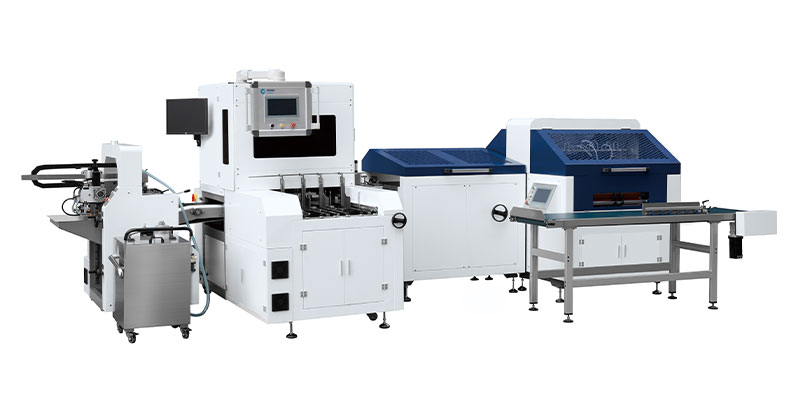
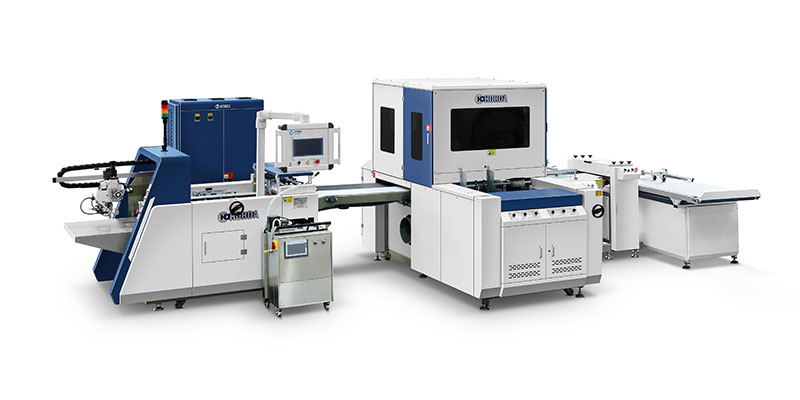
A rigid box making machine can produce wrapped case components for book-style boxes, gift packaging and hardcover products. In HORDA’s case-making range, the process combines cover paper feeding, gluing, grayboard positioning and four-side folding.
The output depends on the configuration. A wrapped case may still need inner lining, tray attachment or other assembly operations before it becomes a finished box.
What Does a Case Laminating Machine Do?
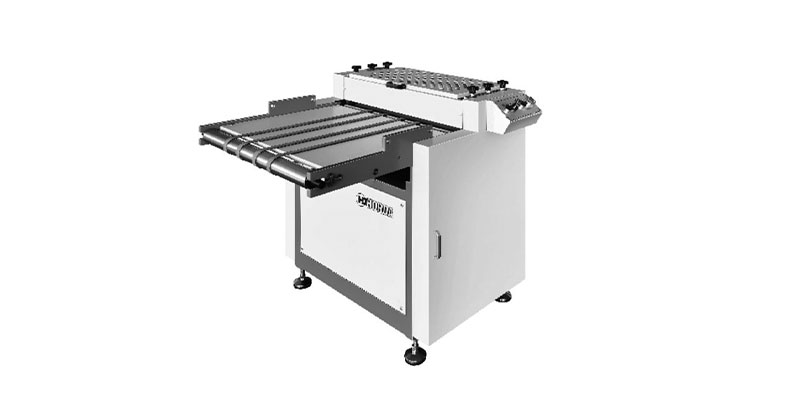
HORDA’s case laminating equipment handles gluing and lining paper application for rigid packaging components. It positions and bonds paper to the designated surface to create the required finish.
The term “laminating” can describe different processes across the industry. Check the model’s process description and materials rather than assuming that every laminating machine performs the same task.
Paper lining and film lamination are different operations. Inner paper lining covers a specified case surface. Film lamination applies a film layer to a substrate. A machine designed for one should not be assumed to support the other.
Which Machine Handles Board Positioning and Edge Folding?
The case maker positions separate grayboard panels on the cover paper and folds the paper around their edges. These operations establish the panel layout and wrapped edge finish.
A case laminating machine may position lining paper accurately, but that does not mean it can arrange the original board panels or perform four-side wrapping. Choose equipment by its listed operations and the component it delivers.
Can Both Machines Be Used in One Production Line?
Yes. A typical workflow makes the outer case first, then transfers it to a lining machine for inner paper application. The machines can operate separately or form a connected line when the configuration supports transfer and coordinated feeding.
Before connecting them, check compatible case dimensions, board thickness, feed orientation and sustained output. The line’s capacity is limited by its slower effective stage; the two machine speeds are not added together.
Do You Need a Case Maker, a Laminating Machine or Both?
- Choose a case maker when you need to position grayboard panels, apply the outer covering and fold its edges.
- Choose a case laminating machine when your existing process already produces the required component and the remaining task is lining paper application.
- Consider both when the product requires outer case wrapping followed by an inner paper finish.
Compare the operations offered by HORDA rigid box making machines with those of its case lining and laminating machines. Use your product drawing and materials to confirm what enters each machine, which surfaces it processes and what leaves the output.
What Should You Check During a Sample Test?
For case making, inspect board spacing, paper alignment, edge coverage and corner finish. For lining, inspect paper placement, bonding and surface flatness. If both stages are connected, also check for transfer marks and confirm that the lined case is suitable for the next assembly operation.