
How Does a Case Lining Machine Work With a Rigid Box Making Machine?
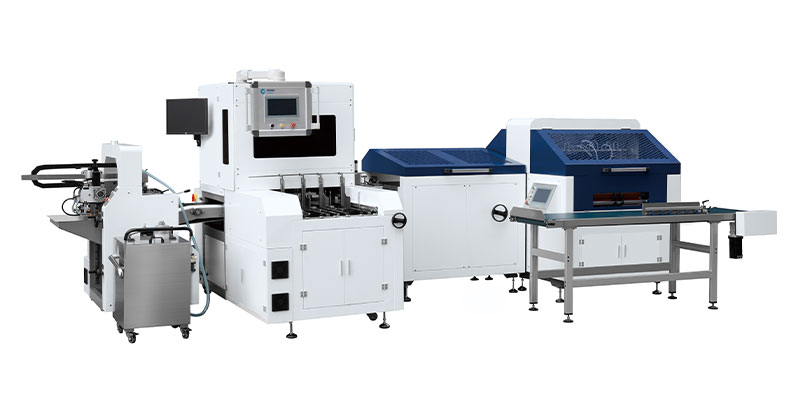
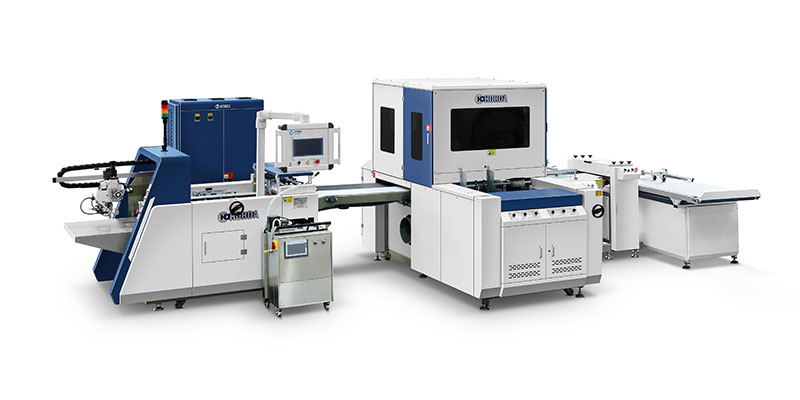
A case lining machine applies inner paper to cases made by a rigid box machine. Cases move between them through manual handling or a configured transfer system.
What Does a Case Lining Machine Do?
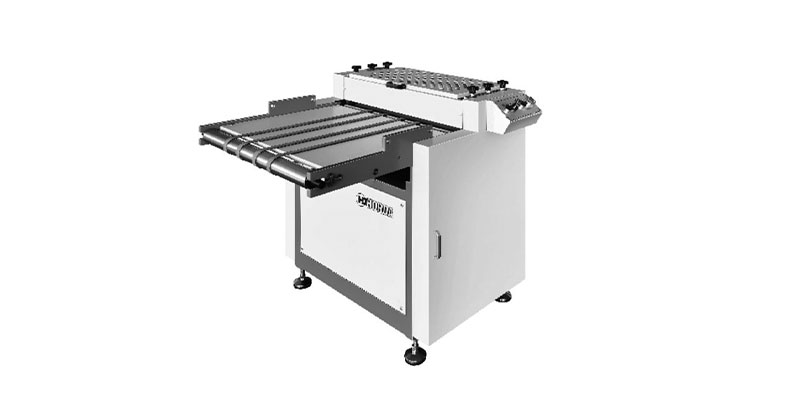
A case lining machine positions and bonds lining paper to the specified inside surface of a wrapped case. This provides the required internal finish and can cover exposed board or outer paper turn-ins, depending on the design.
Here, lining means applying inner paper. It does not include fitting foam inserts, attaching an inner tray or assembling the complete box. Whether lining is needed depends on the product structure and finish requirements.
What Happens Before the Case Enters the Lining Machine?
The case maker feeds and glues the cover paper, positions the grayboard panels and folds the paper over their edges. Before lining, the wrapped case should have the correct panel layout, flat turn-ins and consistent dimensions.
Check board alignment and folded edges at this stage. Inner paper may cover part of the inside surface, but it will not correct misplaced boards or bulky folds underneath.
How Are Cases Transferred Between the Two Machines?
Cases can be stacked and moved to a separate lining machine, or passed directly through a connected transfer system. The method depends on the equipment configuration and factory layout.
- Separate operation: Operators collect, move and reload cases. This allows the machines to follow different production schedules.
- Connected operation: A conveyor and any required turning mechanism deliver cases to the lining station in the correct orientation.
For a connected setup, check that the transfer supports the case without bending, scuffing or shifting it. The receiving position must also match the lining machine’s feed requirements.
How Do You Match Case Making and Lining Speeds?
Compare both machines using the same case design and materials. Their speeds are not added together: sustainable line output is limited by the slower effective stage, including transfer and interruptions.
If cases accumulate before lining, check lining capacity, loading delays and material supply. If the lining machine frequently waits, check case-making output and transfer reliability. A buffer can absorb short stops, but it cannot resolve a sustained capacity gap.
When Is a Separate Case Lining Machine Practical?
Separate lining equipment can be useful when only some orders need inner paper, existing case makers share one lining station, or jobs require different finishing routes. It also allows cases to be inspected or held between operations.
The trade-off is additional handling and space for work in progress. Compare that workload with the scheduling flexibility before choosing a separate arrangement.
What Should You Check Before Connecting the Machines?
When comparing rigid box making machines and integrated production lines, verify compatibility across the full process:
- Working dimensions: Confirm that both machines support the open case size, board thickness and panel layout.
- Lining requirements: Check lining paper dimensions, placement, adhesive compatibility and the area to be covered.
- Transfer arrangement: Confirm feed height, orientation, case support and access for clearing interruptions.
- Controls: Check how the machines coordinate feeding and respond when either station stops.
- Changeovers and staffing: Identify adjustments, material loading and inspection tasks required at both machines.
Connected equipment still requires production oversight. Test a complete run with your own materials, including transfer, lining and restart after a normal stop. Inspect the finished cases for lining alignment, bonding and handling marks.