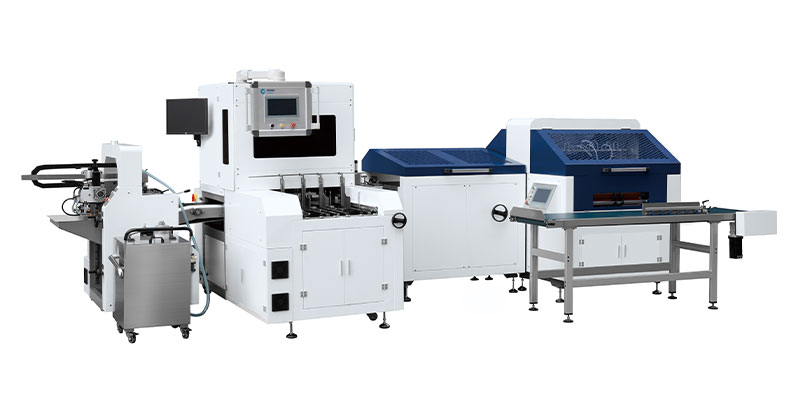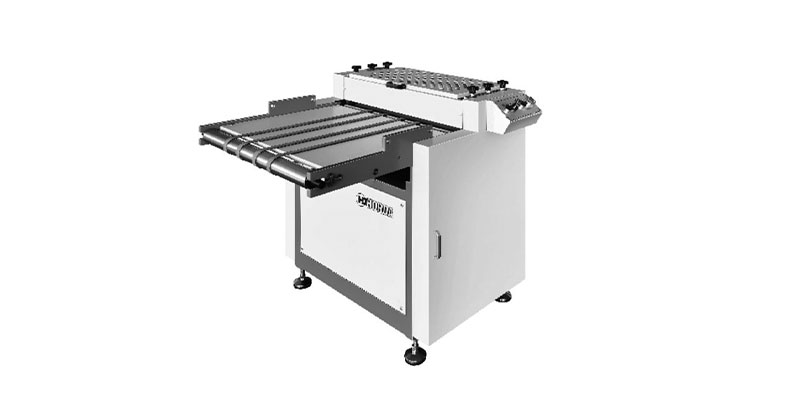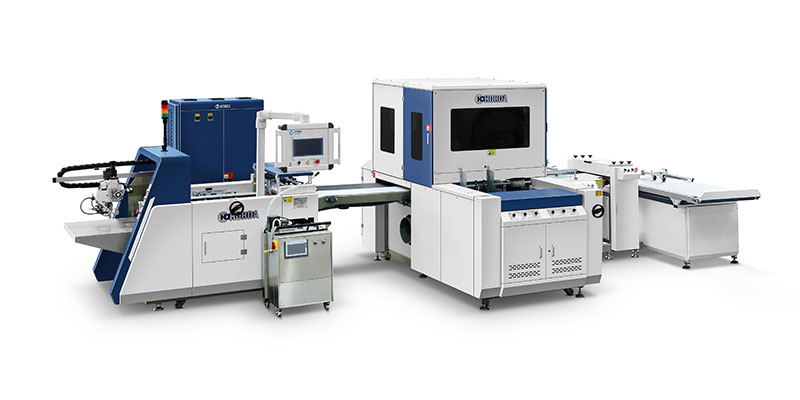

How to Make Book-Style Rigid Boxes With an Automatic Case Making Machine
Make the outer case by feeding and gluing cover paper, positioning the boards and folding the edges. Add lining, closures and the inner tray as required.
What Is a Book-Style Rigid Box?
A book-style rigid box opens like a hardcover book. Its outer case typically has a front cover, a spine and a back panel attached to an inner tray or box base. The spine connects the panels and allows the cover to open and close.
The automatic case maker produces the wrapped outer case. The tray and any closure components need their own production or assembly steps.
Which Boards Are Positioned During Case Making?
A typical layout uses front, spine and back boards arranged on one sheet of glued cover paper. Some designs include extra panels or a closure flap, so the board count and layout must match the product drawing and machine configuration.
- Front and back boards: Define the main cover dimensions and their relationship to the inner tray.
- Spine board: Establishes the connecting section between the covers.
- Panel gaps: Leave space for the covered structure to bend at the hinges.
Before production, check the full open case size as well as each individual board. A layout can fit the machine’s overall working range while a narrow spine or small panel falls outside its limits.
How Does Spine Width Affect the Finished Box?
The spine width must suit the tray depth, board thickness and intended closing geometry. If it is unsuitable, the cover may sit unevenly, close under tension or leave an unwanted gap.
Spine width and hinge gaps are separate dimensions. Check both on the drawing and on a wrapped sample. The smallest supported spine also varies by model, so confirm it when selecting an automatic rigid box case making machine.
How Does an Automatic Machine Wrap the Outer Case?
- Feed the cover paper: Load correctly cut sheets in the required print orientation.
- Apply adhesive: Coat the paper using the adhesive and settings suitable for the materials.
- Position the boards: Place the panels according to the specified layout and gaps.
- Fold the edges: Turn the paper over the board edges and finish the corners.
The paper blank must provide enough material to cover the board edges and form the inner turn-ins. Inspect the first case for board alignment, exposed edges, wrinkles and bulky corners before continuing the run.
Can a Book-Style Rigid Box Have a Magnetic Closure?
Yes. A book-style box can use magnets to hold the cover closed, but making the outer case does not automatically include installing them. The magnet positions, polarity and installation sequence depend on the closure design and how the magnets are concealed.
Check the complete process: Confirm whether magnet preparation and installation happen before covering, before lining or during assembly. Include these operations in the equipment and labor plan.
What Happens After the Outer Case Is Made?
The remaining work depends on the box design. Common operations include:
- Inner paper lining: Cover the specified inside surface where the design requires a separate lining sheet.
- Tray attachment: Position and bond the prepared inner tray or base to the case.
- Closure and insert fitting: Add any remaining magnets, ribbons or product supports.
- Final inspection: Check cover alignment, opening movement, closure fit and adhesive bonding.
Test the wrapped case with the actual tray and closure before approving production. A case can look correct when flat but reveal alignment or closing problems after assembly.